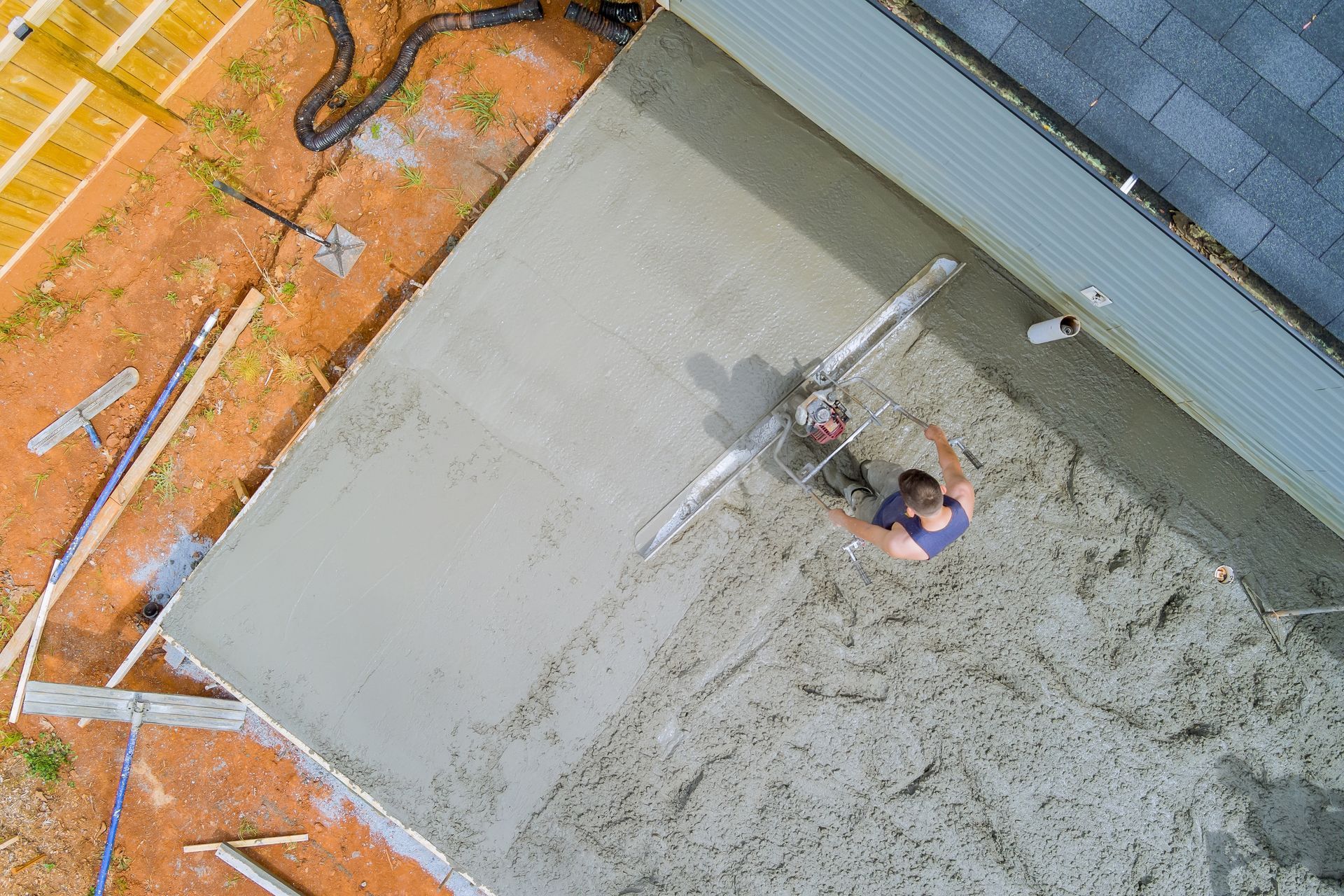
What to know before starting a residential excavation project
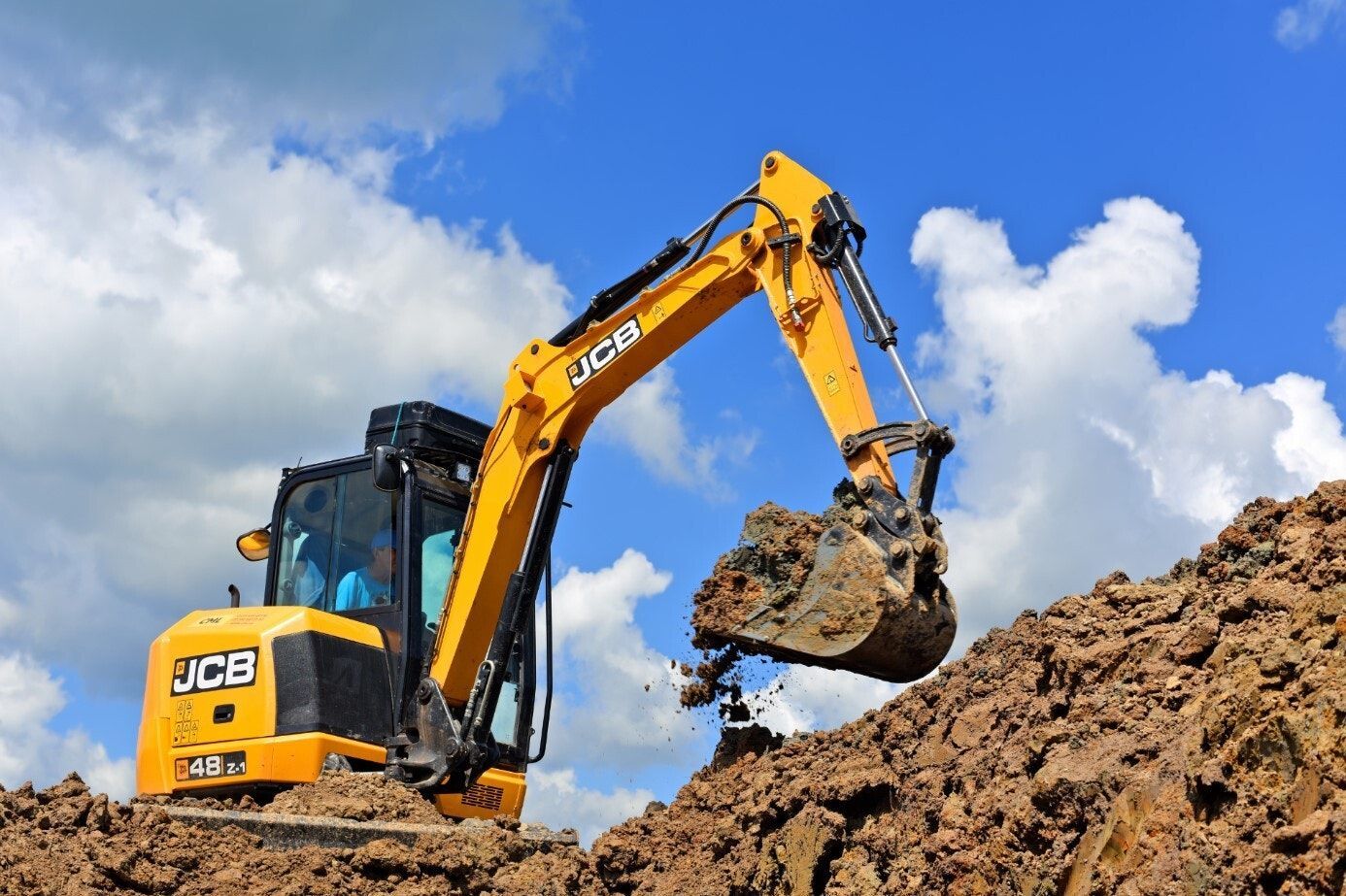
Excavation is often one of the first stages in a residential improvement project, but it has a big impact on everything that comes after it. Whether the goal is to prepare a site for concreting, reshape part of an outdoor area or support a broader property upgrade, excavation work needs to be planned properly from the start. A rushed approach can create avoidable issues later, while a well-considered one helps set the whole project up more effectively.
For many homeowners, excavation sounds straightforward until they begin thinking about what the work actually needs to achieve. Ground levels, access, surrounding structures and the next stage of the project all influence how the job should be approached. That is why it helps to look at excavation as more than digging or moving soil. It is a key part of preparing the property for a practical and well-finished result.
This article covers the main things to think about before starting a residential excavation project, so you can plan more confidently and understand how excavation supports the bigger picture.
Start with the purpose of the excavation work
The first question to ask is what the excavation needs to support. In some cases, the goal is to prepare the site for new concreting or hardscaping. In others, excavation may be needed to help reshape the land, improve usability in an outdoor area or make way for related works that form part of a larger property improvement. The reason behind the excavation will shape the way the project is planned.
When the purpose is clear, it becomes easier to think through the depth, area and practical outcome required from the work. It also helps avoid treating excavation as a separate task from the rest of the project. If the site is being prepared for another improvement stage, the excavation should be approached with that final result in mind rather than as an isolated service.
Have you thought about what needs to happen on the site after the excavation is complete? Asking that question early can change how the whole project is planned and reduce the risk of rework once other trades or services come into the picture.
Look closely at the site conditions
No two residential sites are exactly the same. The shape of the block, existing ground levels, nearby structures and how the outdoor space is currently used all influence the excavation process. Before work begins, it helps to understand how the site is laid out and what practical constraints may affect access, movement and the type of equipment that can be used.
Site conditions matter because excavation is not only about removing material. It is also about preparing the area in a way that suits the next stage of work and fits the property properly. A job that looks simple on the surface may involve more planning when there are changes in level, tight access points or outdoor features that need to be worked around carefully.
Taking a broader look at the site also helps homeowners think beyond the immediate task. For example, excavation might influence where a new concrete area sits, how a fence line is approached or how landscaping is finished around the completed space. That is why it often makes sense to review excavation in context rather than in isolation.
Understand how excavation connects to later stages of work
One of the most important things to understand about excavation is that it often creates the foundation for what happens next. If the work is being done for concreting, fencing, landscaping or another improvement stage, the excavation should support the final layout and finish of the project. The better those connections are planned, the smoother the overall process tends to be.
For homeowners, this is where excavation becomes less about machinery and soil and more about project coordination. It can help shape the site properly, improve how the next trade works and make the final result feel more intentional. When those steps are not thought through early, it is easier for the project to feel disjointed later on.
If your job involves several stages, it may help to explore how excavation fits into your wider plans. You can learn more about our excavation services and browse our broader home improvement services to see how related works can support the final result.
Plan for practicality, not just the immediate task
Residential projects often run better when the planning goes slightly beyond the immediate job at hand. With excavation, that means thinking about how the space should function once the work is finished, not simply what needs to be dug out today. A practical approach helps ensure the area is being prepared in a way that makes sense for the property as a whole.
That can include considering access through the space, how levels will affect future use, what the surrounding area will look like once complete and whether the project may expand into other works later on. Small planning decisions at the excavation stage can influence the usability and finish of the outdoor area more than many homeowners expect.
Would the site benefit from being planned with the next one or two stages in mind rather than just the first? In many cases, the answer is yes. That broader view can help avoid piecemeal improvements and create a result that feels more cohesive once the project is complete.
Ask the right questions before getting started
If you are preparing for a residential excavation project, it is worth stepping back and asking a few simple but important questions. What is the excavation preparing the site for? How will the finished area be used? Are there other services that need to connect with this stage of work? Is the goal only to clear or level space, or is the bigger aim to improve how the property functions and presents?
These questions help turn a basic scope into a more considered project plan. They also make it easier to communicate what you want from the work and identify whether excavation should be treated as a standalone service or part of a wider outdoor improvement strategy.
If you are still working through the best way to approach your property, starting with the broader goal rather than the machinery or method usually leads to a better result. Excavation works best when it supports a clearly defined outcome.
Speak to the excavation experts at Majha Improve Homes today
Excavation can play a major role in preparing a property for practical improvements, but the value of the work depends on how well it is planned. Understanding the purpose of the excavation, reviewing site conditions and thinking ahead to what comes next can make the project more efficient and help the final result feel properly resolved.
For homeowners, the key is to treat excavation as part of the bigger picture rather than as a disconnected first step. A well-prepared site supports better outcomes across concreting, landscaping, fencing and other outdoor works that may follow.
If you are planning excavation as part of a residential improvement project, contact Majha Improve Homes to discuss your property and what the work needs to achieve. You can also explore our excavation services to learn more about how excavation supports broader home improvement works.