Is concreting the right choice for your outdoor area?
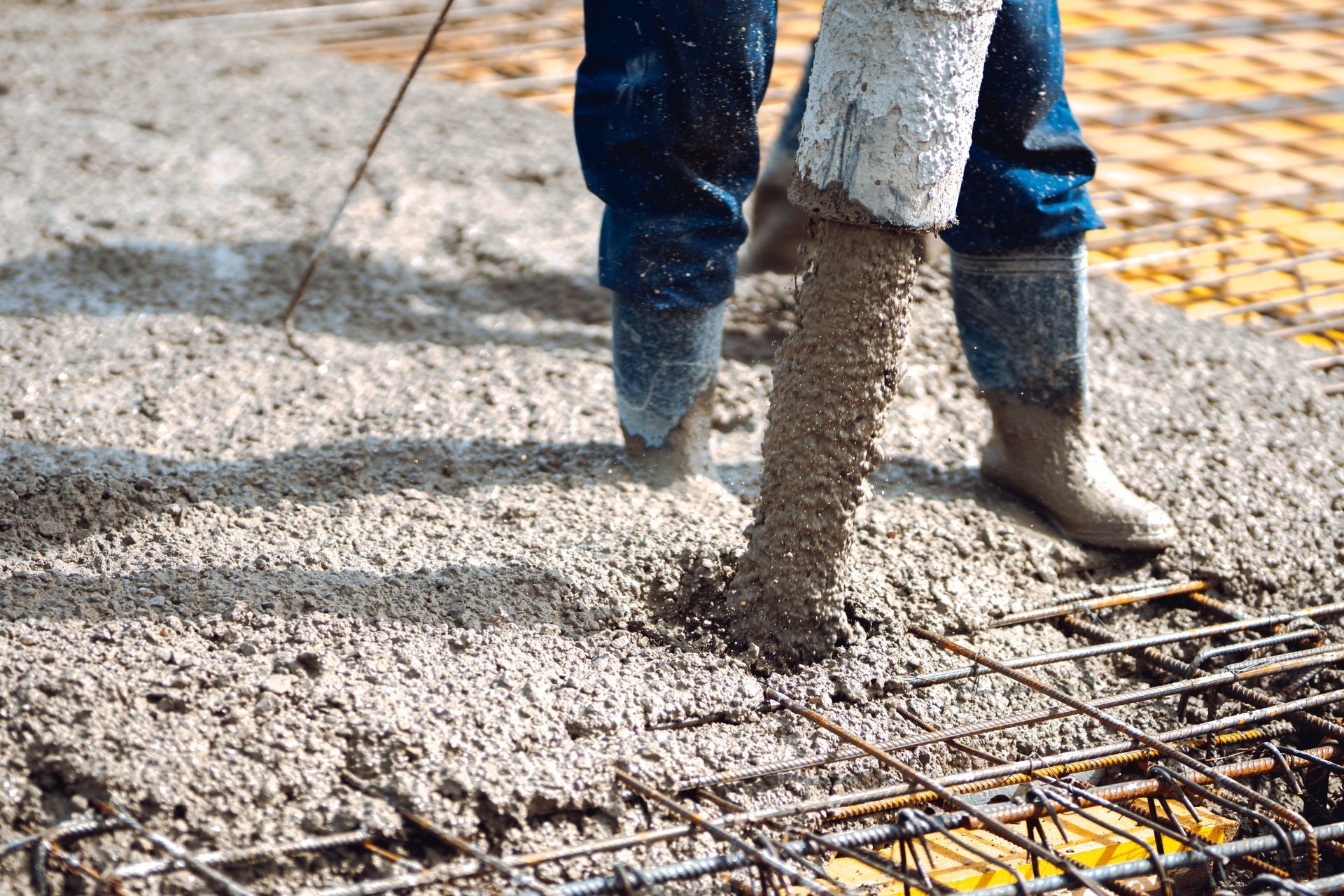
When homeowners start planning an outdoor upgrade, one of the biggest questions is what surface will work best for the space. The right choice needs to suit how the area will be used, how much upkeep you want to deal with and how the finished result should look alongside the rest of the property. Concreting is often a strong option because it can offer durability, practicality and a clean finish, but it is not just a matter of pouring a surface and hoping for the best.
The real value of concreting comes from how well it matches the goals of the project. For some properties, it helps create a more usable and low-maintenance outdoor area. For others, it supports a broader improvement plan that may also involve fencing, excavation, landscaping or smaller finishing works. Thinking about concreting in that wider context usually leads to a better result.
This guide looks at when concreting can be the right choice for an outdoor area, what makes it practical for many residential projects and what to think about before moving ahead.
Think about how the outdoor area will be used
The best starting point is the function of the space. An outdoor area that needs to handle regular foot traffic, support furniture, connect different parts of the property or create a cleaner usable zone often benefits from a solid and durable surface. Concreting can be a practical option in those situations because it helps define the space clearly and gives the area a more finished feel.
Use matters because an outdoor surface should do more than simply fill empty ground. It should support the way the property is used day to day and make the area easier to maintain and enjoy over time. If the goal is to make part of the yard more functional, less messy or easier to move through, concreting is often worth serious consideration.
Have you thought about what you want the area to do once the project is complete? That question is often more useful than starting with appearance alone. When the function is clear, the decision around surface choice becomes much easier to make.
Consider durability and day-to-day maintenance
One reason concreting is a popular choice for residential outdoor areas is that it can offer a practical balance between durability and ease of maintenance. For homeowners who want a surface that feels stable, tidy and suited to regular use, concreting can be a sensible solution. It is especially useful in areas where the ground needs to perform well and look more resolved as part of the wider property.
Maintenance also matters when comparing outdoor surface options. A low-upkeep surface can make a real difference over time, particularly if the area is used often or forms part of the main circulation around the home. Choosing a surface with long-term practicality in mind usually leads to better value from the project, not just a better look on the day it is completed.
That does not mean every outdoor area needs concrete, but it does mean concreting should be part of the conversation when the priority is reliability, structure and a cleaner finished space that works well over time.
Look at how the surface fits into the broader property layout
An outdoor surface should not feel disconnected from the rest of the property. It needs to sit properly within the layout, support access and contribute to how the surrounding area looks and functions. Concreting often works well when the goal is to create a clearer transition between different parts of the property or give structure to an area that currently feels underused or unfinished.
This is where a lot of homeowners benefit from stepping back and looking at the bigger picture. The concrete area may need to connect with fencing, garden spaces, pathways, site preparation or other elements of the project. Planning those relationships early can help the final result feel more cohesive and avoid an outdoor area that looks like it was added without enough thought.
If the space is still in the early planning stage, it can help to think about the finished layout rather than the concrete on its own. That usually leads to better decisions around size, placement and how the area will actually support day-to-day use of the property.
Concreting often works best when planned with related services
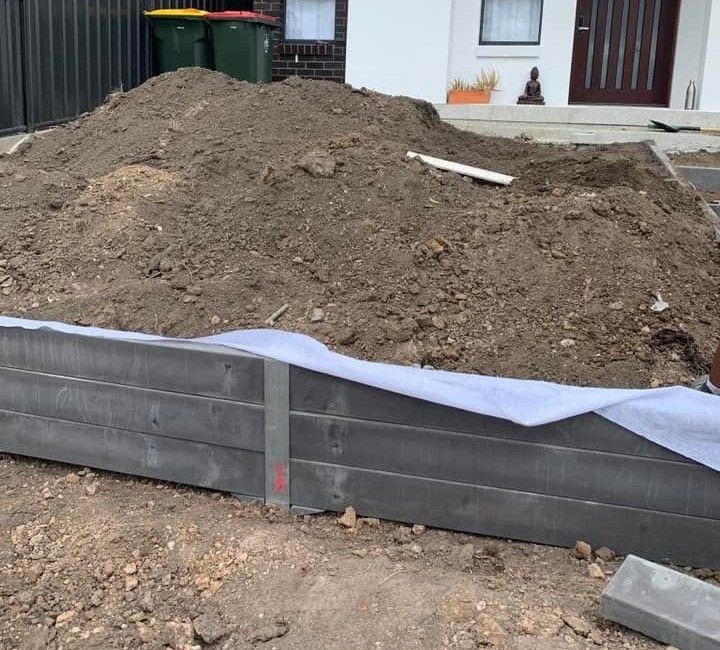
For many residential projects, concreting is not the only service involved. There may be excavation required to prepare the site, fencing that frames the space or broader improvements that help complete the outdoor area properly. Looking at those parts together usually makes the project easier to manage and the final outcome more consistent.
This is one of the main reasons it helps to treat concreting as part of a broader home improvement plan rather than a completely separate job. If the surface is being added to improve usability, connect spaces or support the overall presentation of the property, the surrounding works matter just as much as the concrete itself.
You can explore our concreting services to learn more about how we approach residential concrete work. If your project may involve more than one stage, it is also worth browsing our broader home improvement services to see how related works can support the finished result.
Ask whether concreting suits your goals for the property
Not every project needs the same solution, which is why the final question should be whether concreting actually suits what you want to achieve. If your goal is a durable, practical and well-defined outdoor area, concreting is often a strong choice. If the area needs structure, easier maintenance and a more finished presentation, it can make a lot of sense as part of the improvement plan.
The decision becomes clearer when you think about the purpose of the area, the wider layout of the site and the level of upkeep you want over time. For many homeowners, concreting works best when they stop thinking only about the surface itself and start thinking about how the completed space should function once the job is done.
Would a concrete surface make the area easier to use and maintain in the long term? If the answer is yes, then concreting may be the most practical path forward for the project.
Contact Majha Improve Homes for professional concreting
Concreting can be the right choice for an outdoor area when the priority is durability, day-to-day usability and a cleaner, more resolved finish. It works especially well when the space needs to support regular use, connect with other parts of the property or form part of a broader outdoor improvement project.
The key is to look at concreting in context. When the surface is planned around the way the property is used and how the wider area should work once complete, the result tends to feel more practical and more complete overall.
If you are considering concreting for your outdoor area, contact Majha Improve Homes to discuss your project and the type of result you want to achieve. You can also explore our concreting services to learn more about how we support residential outdoor improvements.